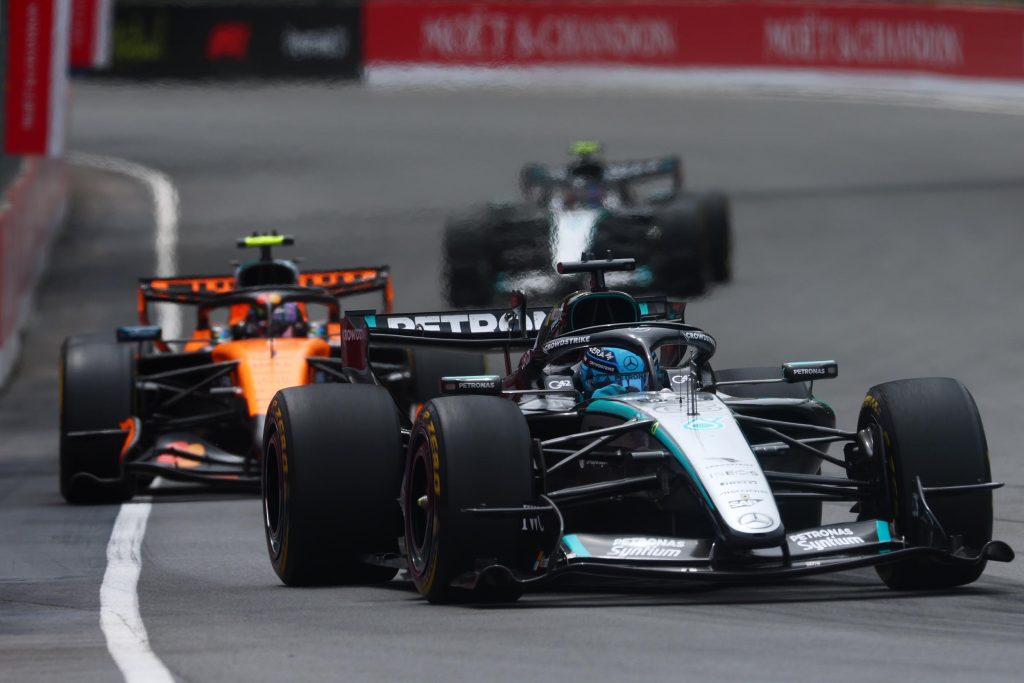
The 2026 Formula 1 season is far more than just another championship.
It marks the biggest technical regulation change since the hybrid era began in 2014. The power units have changed, the chassis have been redesigned, and the aerodynamic regulations have been rewritten from the ground up.
Simply put, every team has been forced to start over.
Why Has the Competitive Order Changed?
Just because a car was fast in 2025 doesn’t mean it would remain competitive in 2026.
Under the new regulations, every team had to design an entirely new car from scratch.
As a result, Mercedes produced the strongest package at the beginning of the season, while reigning champions McLaren struggled to adapt to the new regulations.
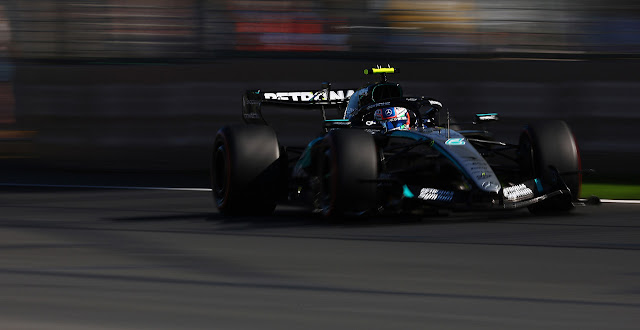
The Most Important Thing in Formula 1: The Package
Many people believe the engine is the most important part of a Formula 1 car.
However, those within Formula 1 have said for years:
Formula 1 is ultimately a package sport.
A package is much more than just the power unit.
It includes:
- Power Unit
- Chassis
- Aerodynamics
- Suspension
- Tire Performance
- Energy Management
Every one of these elements must work together perfectly to produce a winning car.
The reason Mercedes dominated the opening races of the 2026 season was not simply because they had a powerful engine. They had the most complete package on the grid.
What About the Drivers?
Drivers are more important than ever.
The 2026 cars require far more sophisticated energy management, while active aerodynamics introduce new challenges that drivers must master throughout every lap.
Since no team has produced a perfect car yet, a driver’s ability to understand the car’s limitations and provide precise technical feedback to engineers has become one of the biggest competitive advantages.
Why the 2026 Season Is So Fascinating
Whenever Formula 1 introduces major regulation changes, nobody knows who has found the right solution.
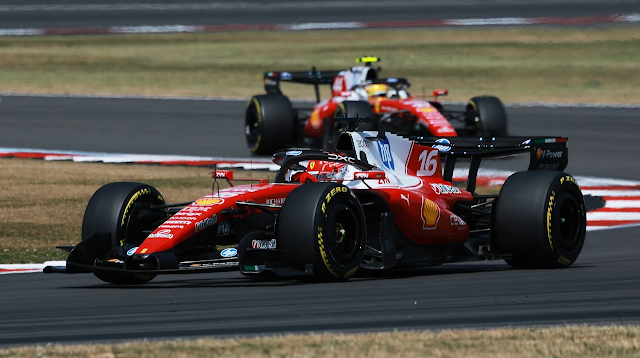
Mercedes dominated the opening rounds, but Ferrari, Red Bull, and McLaren have continued introducing upgrades, steadily reducing the performance gap.
This means the 2026 championship is no longer just about finding the fastest driver.
It is about finding the team that builds the best package – and the driver who can extract every last bit of performance from it.
The Race Results Tell the Story
After the British Grand Prix, the results speak for themselves.
Mercedes won the first six races of the season, from Australia through Monaco, proving they adapted to the new regulations better than anyone else.
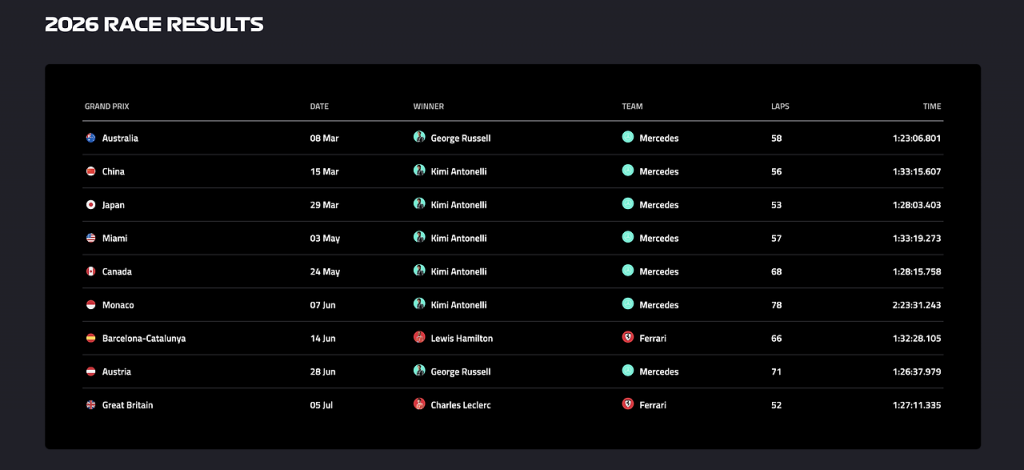
However, the competitive picture has begun to change.
Ferrari’s continuous development has paid off.
- Spanish Grand Prix – Lewis Hamilton claimed victory.
- British Grand Prix – Charles Leclerc took Ferrari’s second win of the season.
Ferrari is now closing the gap, and the battle at the front has become far more competitive.
This is exactly what Formula 1 engineers mean when they talk about package development.
The 2026 season is no longer just a contest to build the fastest car.
It has become a race to understand the new regulations faster than everyone else and continuously develop the most complete package throughout the season.
The Championship Battle Is Just Beginning
The season is far from over.
After the Hungarian Grand Prix, Formula 1 enters its traditional Summer Break before the second half of the championship begins.
What each team brings after the summer shutdown could completely reshape the title fight.
Mercedes may have built the best package for the opening races, but Ferrari, Red Bull, and McLaren are all continuing to develop their cars.
In a season defined by brand-new regulations, the World Championship may not be decided by who started the fastest.
It could ultimately be won by the team that develops the strongest package during the second half of the season.